
Men's Shoe Wardrobe: How to Build an Efficient Capsule

How many shoes do you really need? The honest answer is: fewer than you think — if you choose well. A capsule shoe wardrobe is built on a few carefully selected pairs, able to cover every context of everyday life without redundancy. In this guide you'll find how to build one, which pairs to buy first and how to evolve it over time.
What a capsule shoe wardrobe is
The concept of the "capsule wardrobe" was born in fashion in the Seventies — a small number of quality pieces that combine efficiently with one another. Applied to shoes, it means: choosing each pair with a precise function, eliminating redundancy, favouring quality over quantity.
A capsule shoe wardrobe isn't necessarily a minimalist wardrobe. It's an efficient wardrobe: every pair gets worn regularly, none gathers dust in a corner of the closet.
The levels: from 3 to 7 pairs
The bare essentials: 3 pairs
Three well-chosen pairs cover 95% of situations for most men:
- A tan or dark-brown suede loafer — the all-rounder. Smart-casual, informal office, dinner, weekend. The pair you wear most often.
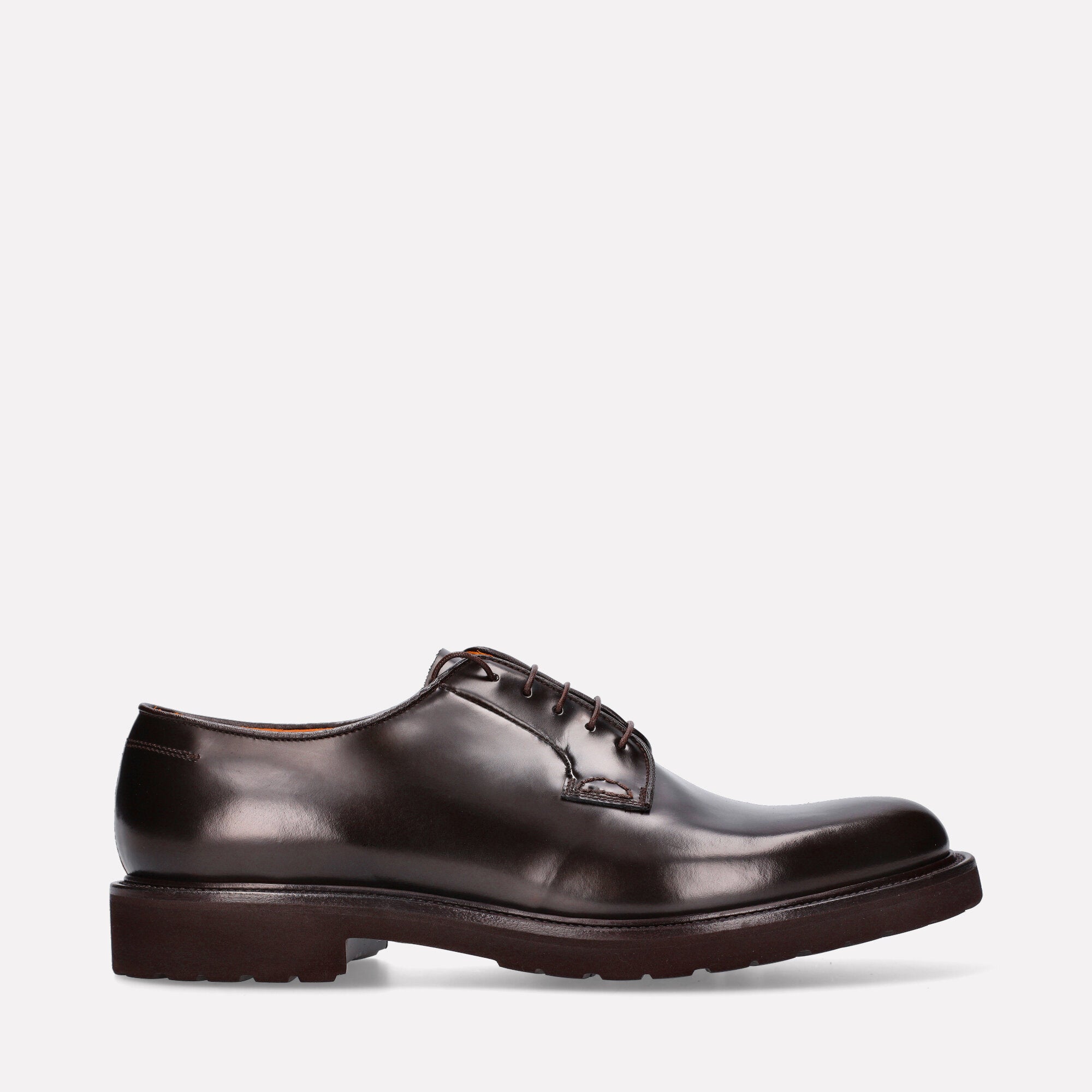
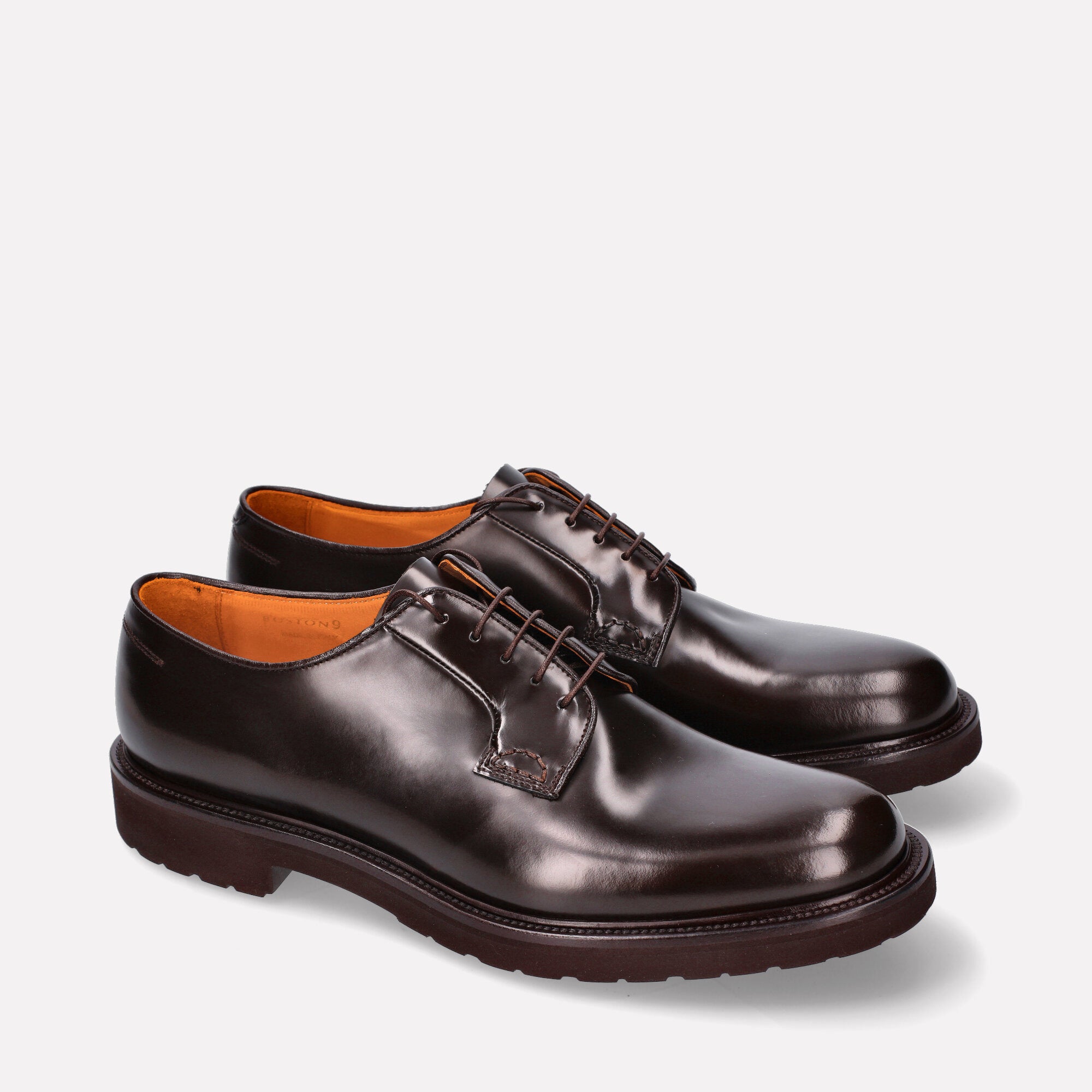
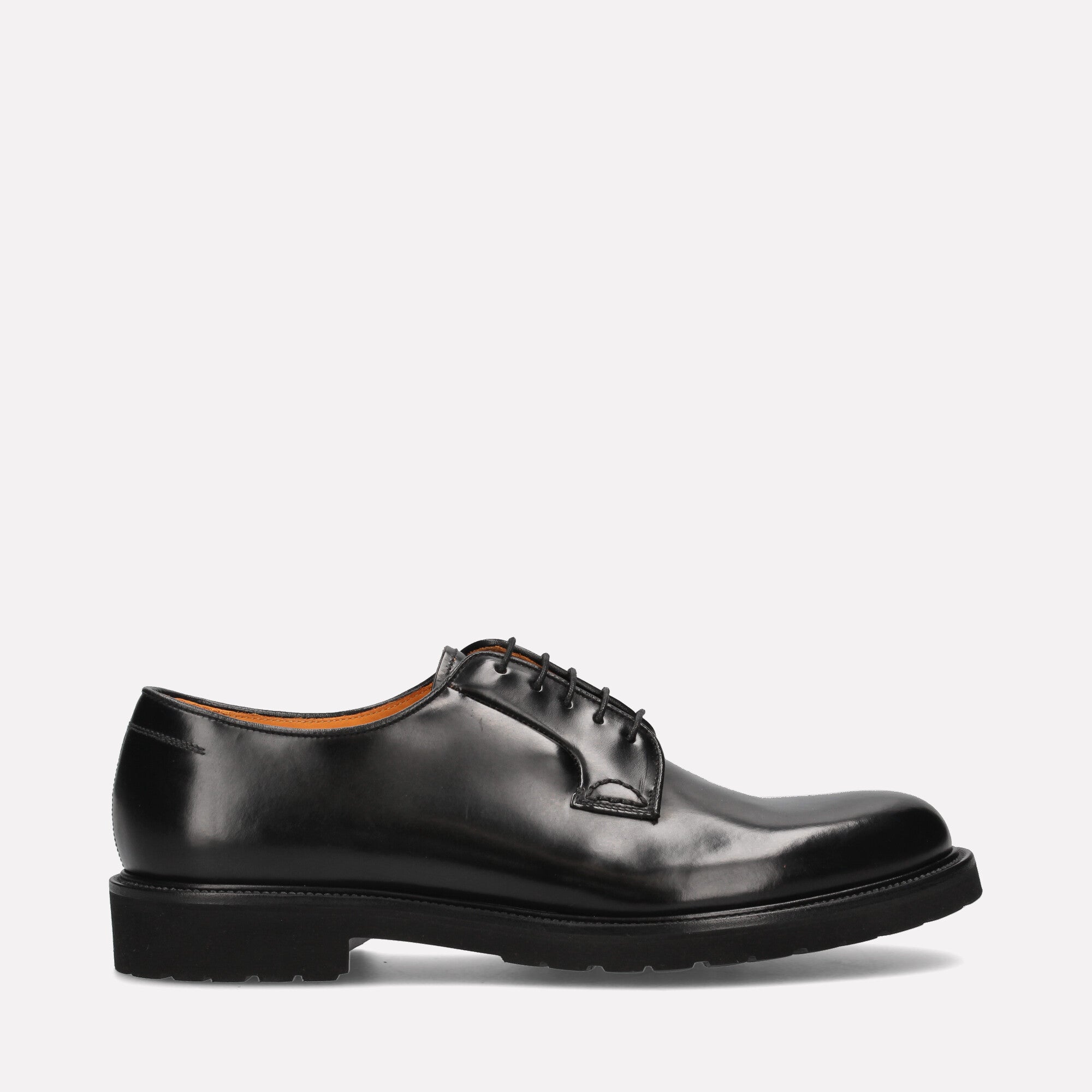
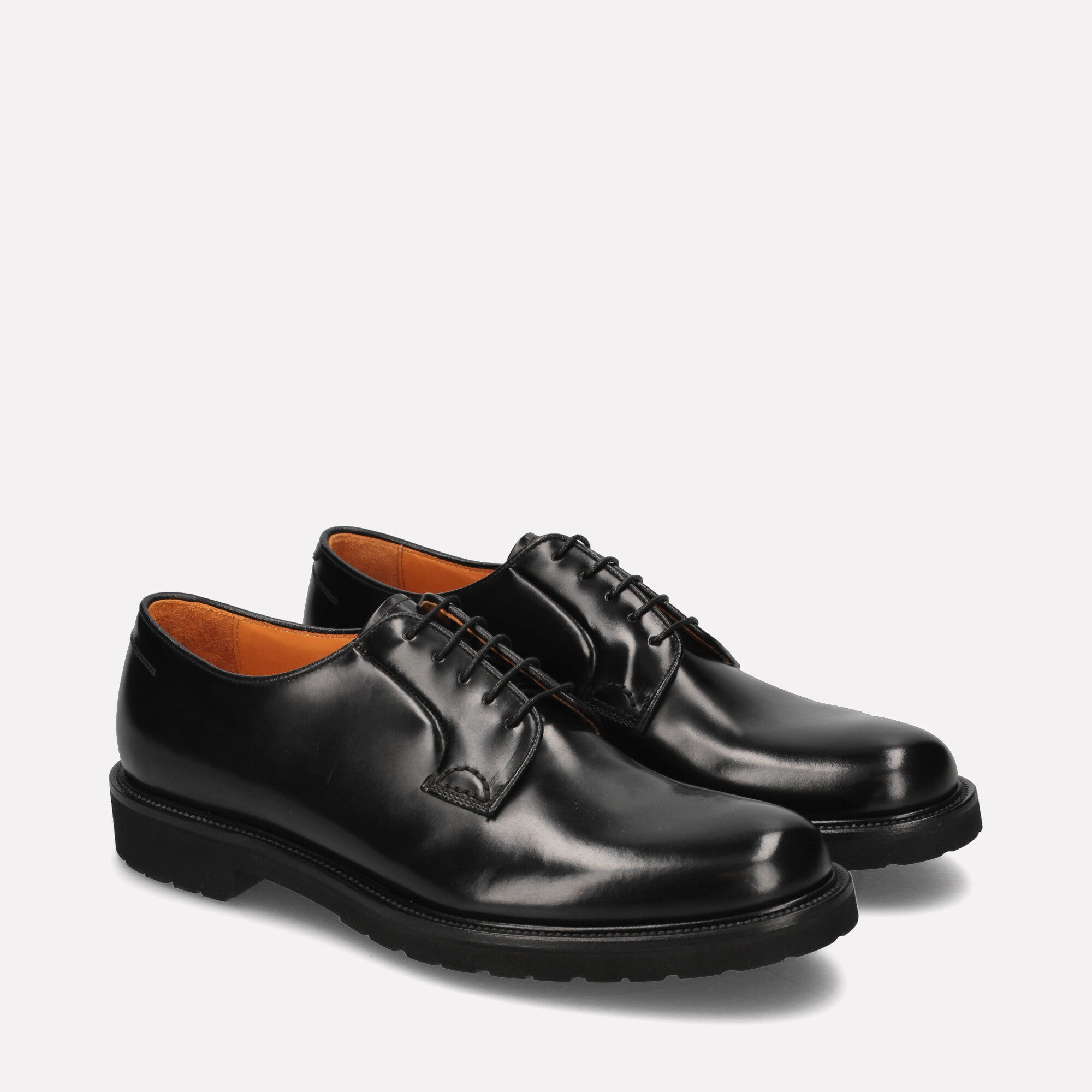
- A black or dark-brown leather derby or oxford — for formal settings: important meetings, ceremonies, business contexts. Worn less often but indispensable when needed.
- A white leather sneaker — for casual settings: weekends, travel, informal days. Light, versatile, modern.
With these three pairs you can go to an interview, a wedding, on holiday and to the bar on Sunday. Everything.
The balanced wardrobe: 5 pairs
With five pairs the nuances come in — rotation becomes smoother and each pair is used less, lasting longer:
- Tan suede loafer → everyday smart-casual
- Black leather derby → formal settings
- White leather sneaker → casual and travel
- Dark-brown smooth-leather loafer → semi-formal business, a dressier alternative to suede
- Black or dark-brown leather Chelsea boot → autumn-winter, with an overcoat, smart-casual settings
The complete wardrobe: 7 pairs
With seven pairs you get perfect rotation and coverage for every season and context:
- Tan suede loafer → spring-autumn smart-casual
- Black leather derby → formal all year round
- White leather sneaker → casual all year round
- Dark-brown leather loafer → business casual
- Leather Chelsea boot → autumn-winter
- Rope-sole loafer → summer, holiday, light casual looks
- Cognac suede derby or loafer → a more colourful alternative for smart-casual outfits
The buying order: what to buy first
If you're building the wardrobe from scratch, the order of priority makes the difference. Buying in the right order avoids premature redundancy and gaps at the wrong moments.
First purchase: the versatile loafer
The tan or dark-brown suede loafer is the first shoe to buy. It covers the widest range — from everyday to semi-formal — and is worn more than any other pair. Invest here: the quality of the first purchase sets the benchmark for everything else.
Second purchase: the formal shoe
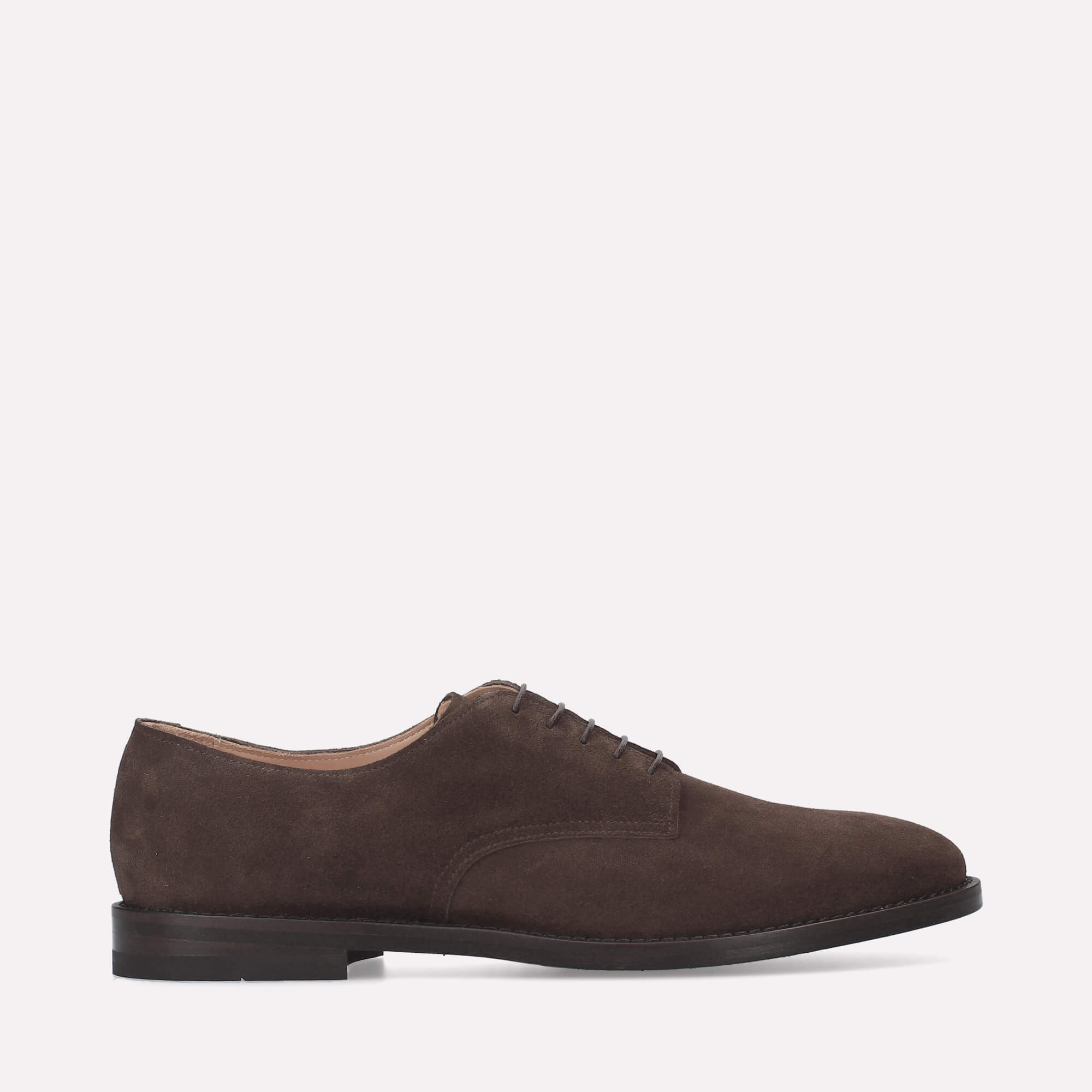
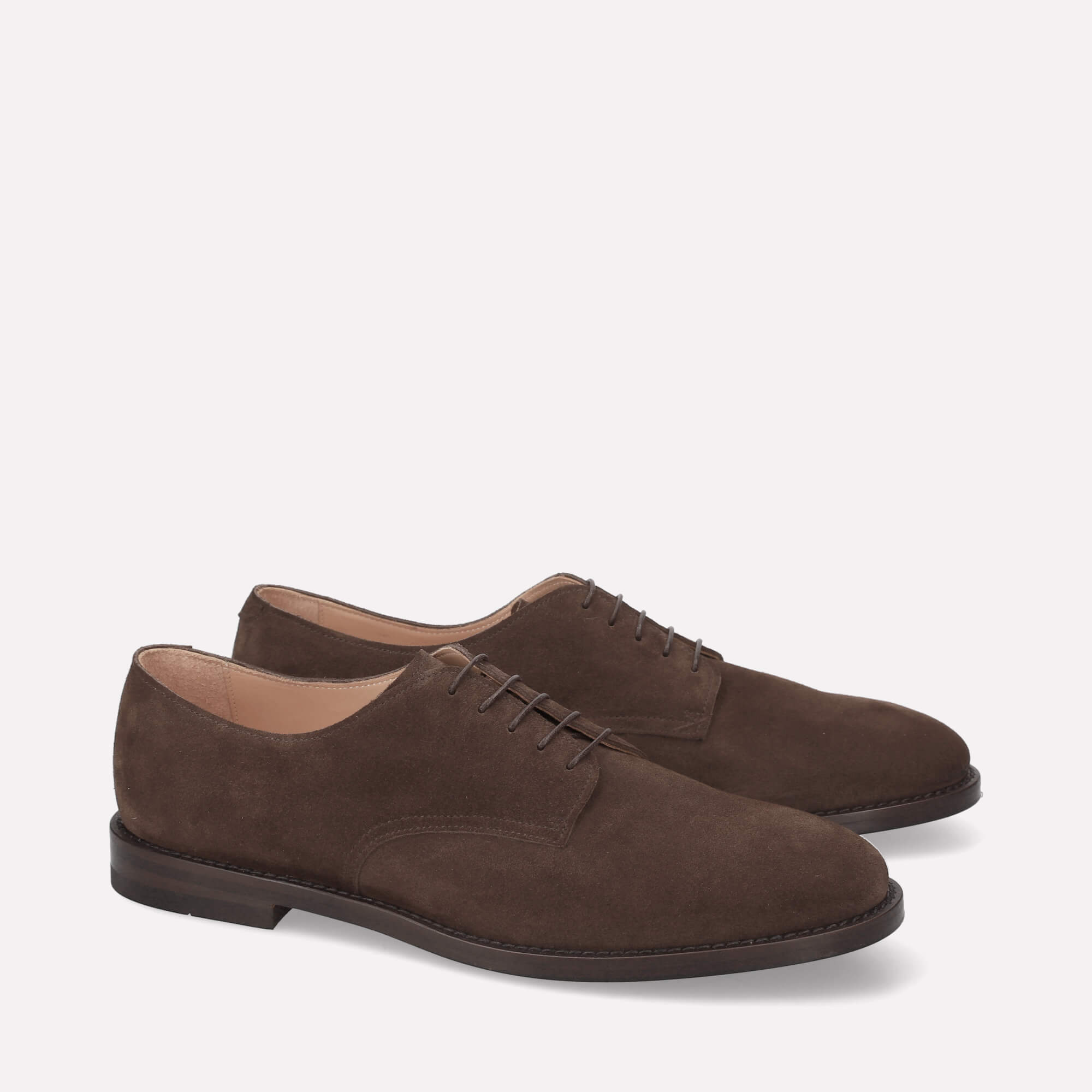
A black or dark-brown leather derby. You don't need it right away if you don't have frequent formal contexts — but when you do, not having a formal shoe is a visible problem. A pair of adequate constructive quality (Blake construction, full-grain leather) lasts many years even when rarely worn.
Third purchase: the casual sneaker
A white or beige leather sneaker for informal settings and travel. At this point you have complete coverage for every register.
Fourth purchase onwards: nuance and seasonality
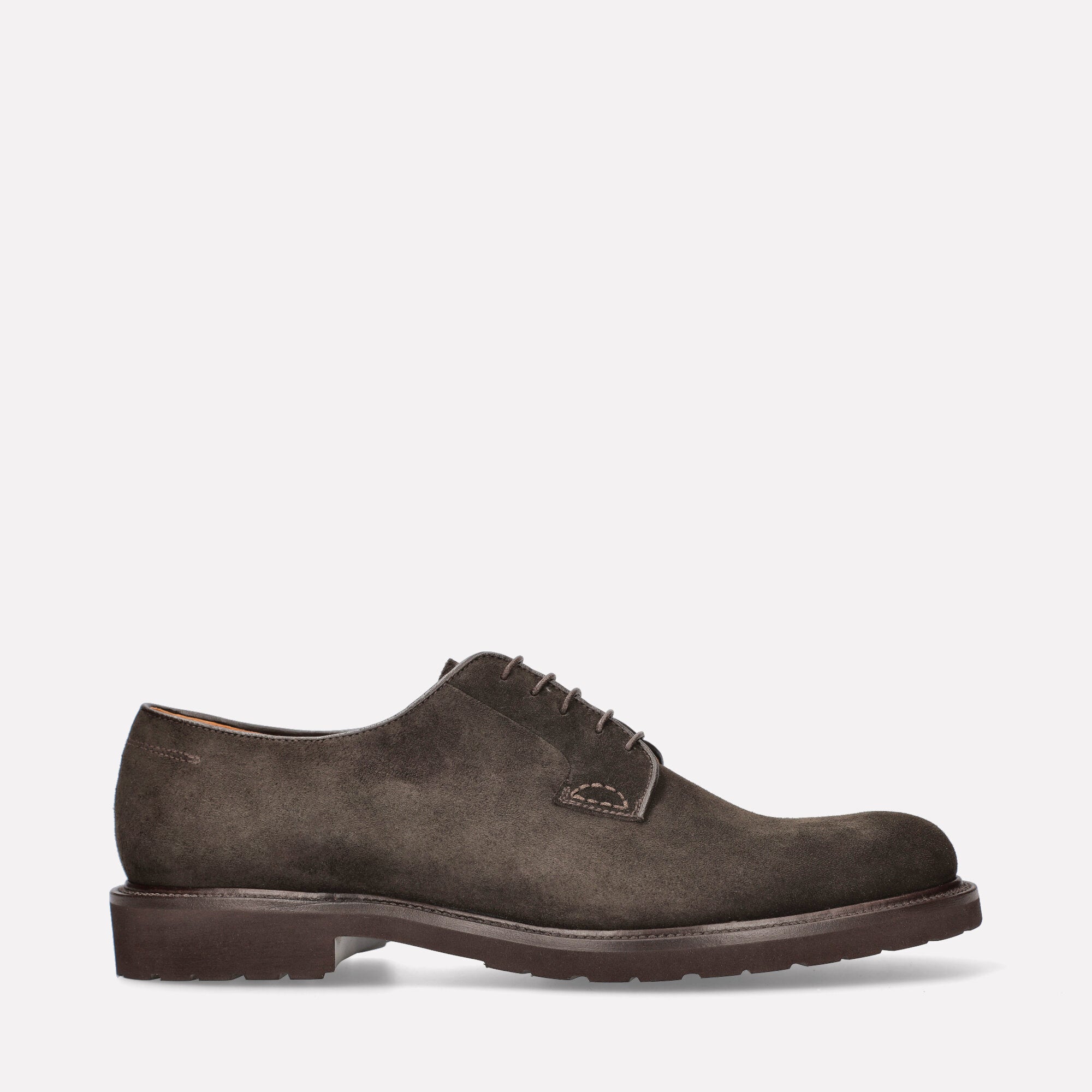
The Chelsea boot for winter, the summer loafer, the suede derby for business casual — everything that adds nuance and rotation to an already functional wardrobe.
How much to invest per pair
The general rule: invest in proportion to frequency of use. The pair you wear most deserves the best quality. The pair you use twice a year can be less expensive.
| Pair | Frequency | Recommended investment |
|---|---|---|
| All-rounder loafer | High (3-5x/week) | €200–350 — don't save here |
| Formal derby | Medium (1-2x/week) | €180–300 — constructive quality needed |
| Casual sneaker | High (3-5x/week) | €150–250 — material quality is visible |
| Chelsea boot | Medium (2-4x/week in season) | €180–300 |
| Summer loafer | Seasonal, high | €150–250 |
The philosophy: buy fewer pairs, invest more in each, and make them last with the right maintenance. Three €250 pairs cared for well last longer than ten €80 pairs that wear out in 18 months.
Maintenance in the capsule wardrobe
A capsule wardrobe only works if the pairs that make it up are always in good condition. Maintenance is an integral part of the strategy:
- Rotation: don't wear the same pair for more than two consecutive days — the leather needs to dry
- Shoe trees: in every pair when not being worn
- Regular cream and care: every 2-3 weeks for the most-used pairs
- Cobbler: heel redone before it wears down to the leather, resoling when the sole thins
Complete guide to leather shoe care →
Frequently asked questions about the capsule wardrobe
How many shoes should a man own?
There's no universal number — it depends on lifestyle. For most men with a normal working and social life: 5-7 pairs cover everything. Fewer than 3 creates gaps; more than 10 is almost always redundant.
Is it better to buy many cheap pairs or a few quality ones?
A few quality ones, always. A handcrafted shoe in Blake construction with full-grain leather lasts 10-15 years with proper maintenance. Three cheap pairs over the same period cost more and don't give the same satisfaction in use.
How do you know if a pair is redundant in the wardrobe?
Simple: if you haven't worn it in the last 6 months without a precise seasonal reason, it's probably redundant. A pair that "might come in handy" but never does takes up space and contributes nothing to the wardrobe.
Can the capsule wardrobe be updated?
Yes — it's designed to evolve. As your style defines itself and your life contexts change, some pairs leave and others come in. The goal is always maximum functionality with the minimum number of pairs.
Read more
- Italian handmade shoes: how to recognise them — how to assess constructive quality before investing.
- Men's shoes as a gift — the same logic applied to choosing a gift.
- Men's Loafers: types, pairings and how to choose — the first pair of the capsule wardrobe.