
Chelsea Boot for Men: What It Is, How to Wear It and How to Choose

The Chelsea boot is one of the most versatile boots in a man's wardrobe — and one of the most misunderstood. It's not a cowboy boot, it's not a winter mountain boot, it's not a motorcycle boot. It's a city shoe with an elegant silhouette and a surprisingly wide range of use. In this guide you'll find everything you need to know to choose it, pair it and care for it.
What the Chelsea boot is: history and features
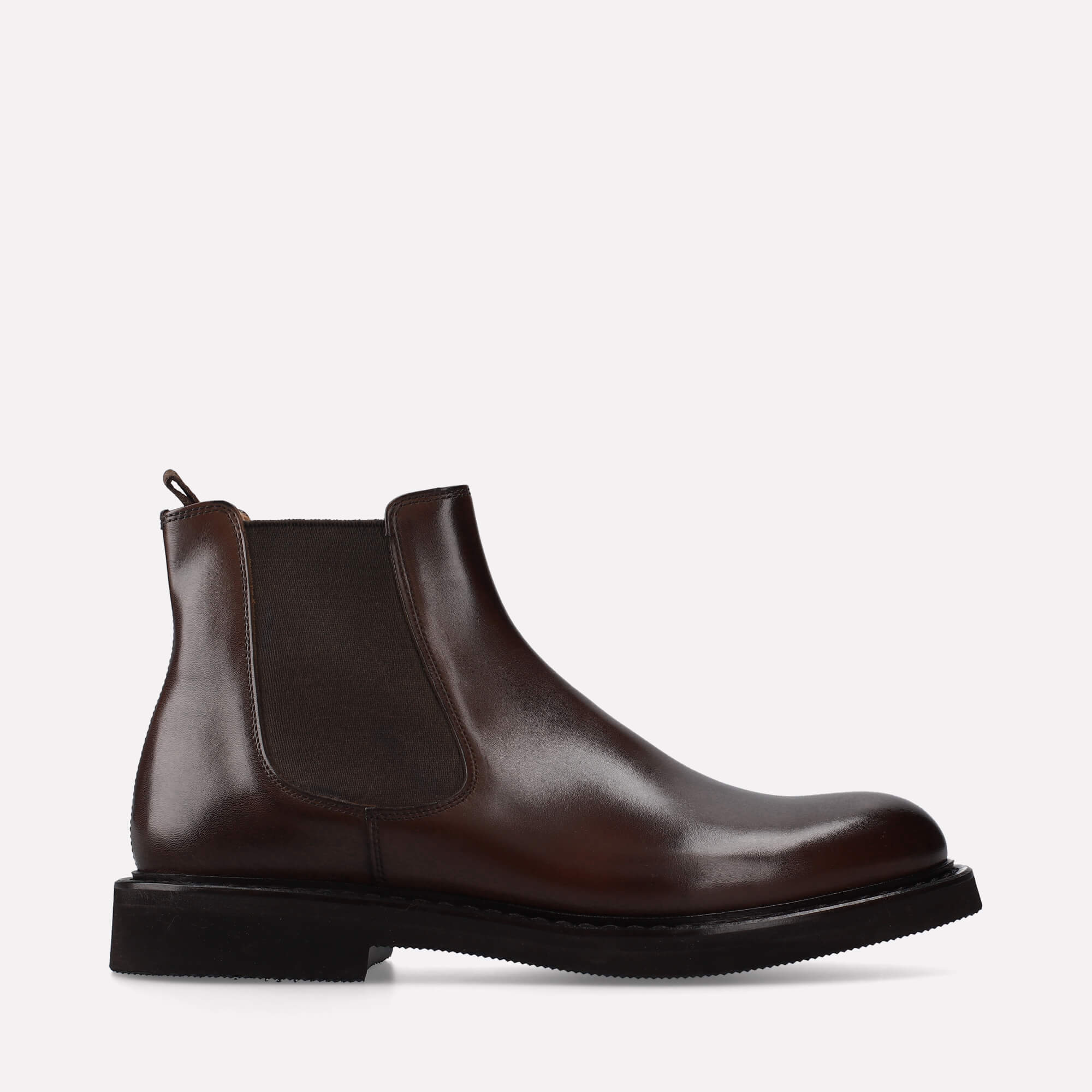
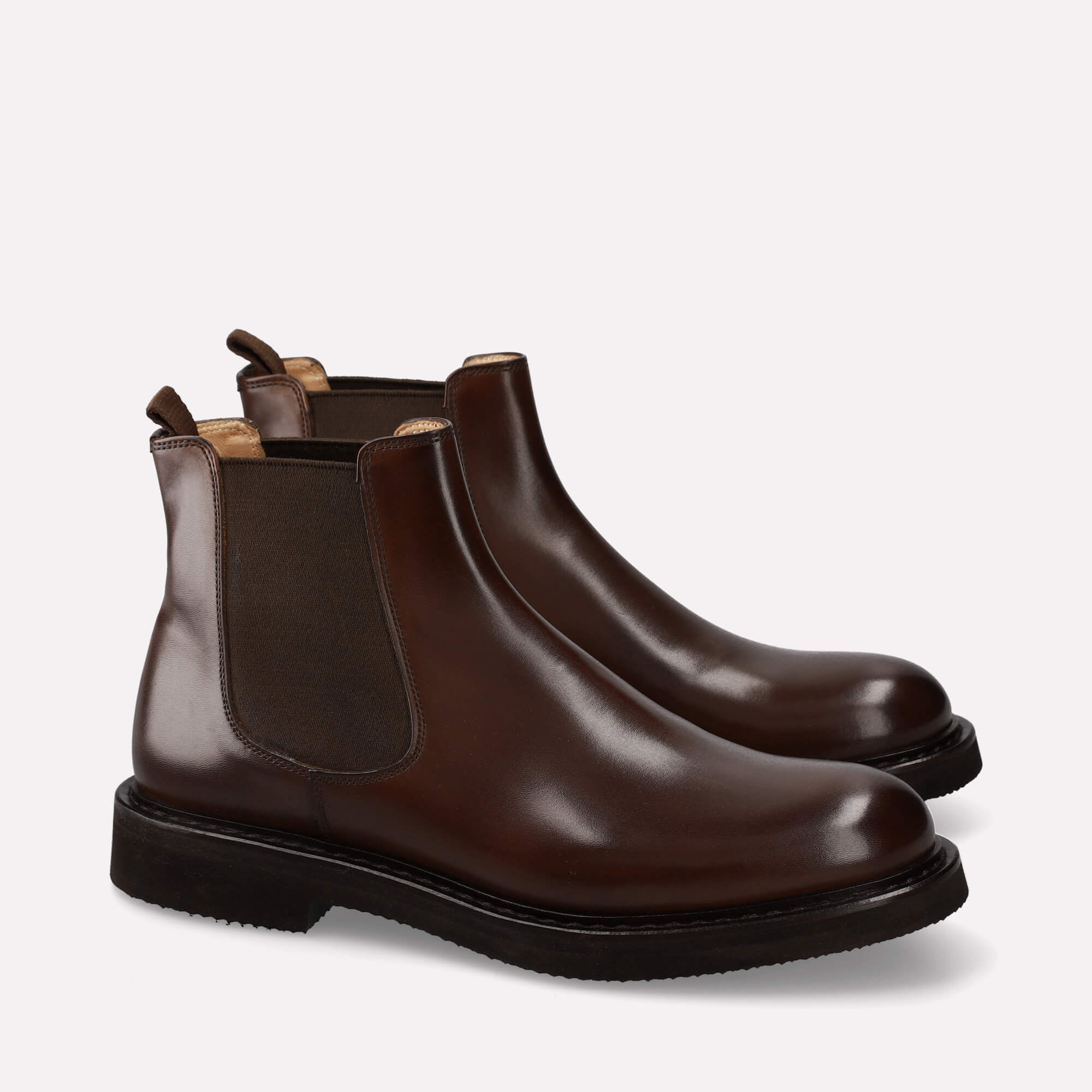
The Chelsea boot was born in Victorian England — the first version is attributed to J. Sparkes-Hall, Queen Victoria's shoemaker, around 1851. The form is essential: an upper covering the ankle, side elastics instead of laces, a rounded or slightly pointed toe, a low heel.
It became a pop icon in the Sixties when the Beatles adopted it as part of their look. It hasn't left the scene since — every decade has reinterpreted it without ever abandoning it.
The distinctive traits that make it recognisable:
- Side elastics in fabric or rubber (no laces, no buckles)
- An upper covering the ankle bone
- A clean, continuous side profile
- A low block heel (2-4 cm) or a flat heel
Chelsea boot in leather vs suede: which to choose
Smooth-leather Chelsea boot
More formal, more water-resistant, more versatile in dressy settings. The black smooth-leather Chelsea is the most classic model — it works with suits, ensembles, wool trousers. In brown or dark brown, it shifts towards business-casual. It improves over time with proper maintenance.
Suede Chelsea boot
Softer in look and touch, more casual in register. In tan, cognac or grey suede it's perfect for pairings with jeans, chinos, smart-casual outfits. It requires more care against damp — always with waterproofing spray before the cold season. Guide to suede care →
Which to choose first
For a first Chelsea boot: black or dark-brown smooth leather. It covers the widest range of contexts — from office to weekend — and is easier to maintain than suede.
How to pair the Chelsea boot for men
Chelsea boot with jeans
The most natural and most successful pairing. Slim or straight jeans with a slight cuff revealing the shaft of the Chelsea — the silhouette of the side elastic should be visible, not hidden under the trouser. With dark indigo jeans and a shirt: classic. With grey jeans and a jumper: very good in autumn-winter.
Chelsea boot with formal trousers
A black or dark-brown smooth-leather Chelsea works well with grey or navy wool trousers. The clean profile pairs with the tailored line without adding visual noise. An excellent alternative to the derby for those who want something less conventional at the office.
Chelsea boot with a suit
Yes, it can be done — but it requires a modern-cut suit (not too classic) and a well-kept smooth-leather Chelsea. It works best with slim or slightly unstructured suits. With very formal suits or traditional ceremony wear, better to prefer the oxford or derby.
Chelsea boot with an overcoat
One of the most successful winter combinations. A black-leather Chelsea with a grey or camel overcoat — the high profile of the boot balances the length of the coat perfectly. Guide to pairings with an overcoat →
Pairings by colour
Black Chelsea boot
The most formal and most versatile in the dark range. Pairs with grey, navy, black, burgundy. Less well with brown, camel, beige (the contrast is too sharp).
Dark-brown Chelsea boot
Warmer than black, more formal than cognac. Works with grey, navy, camel. My recommendation for those who want a Chelsea more versatile than black.
Cognac / tan suede Chelsea boot
Casual and very contemporary. With jeans, chinos, autumn outfits in warm tones. Not for formal settings.
Grey suede Chelsea boot
Very modern, a little harder to pair. Works with monochrome outfits or with neutral colours (white, navy, black).
Construction and quality: what to look at
As with any shoe, the quality of a Chelsea boot is judged by construction and materials. The points to check:
- Elastics: they must be in quality fabric, well stitched to the upper — not glued. They loosen over time, but a good cobbler can replace them
- Leather: full-grain for maximum durability and the best ageing
- Construction: Blake or Goodyear Welt for a resoleable Chelsea. A glued sole doesn't last as long as a stitched one
- Heel: in leather or quality rubber — a plastic heel wears down in a few weeks
How to recognise a quality handmade shoe →
Caring for the Chelsea boot
The same rules for smooth leather and suede apply to the Chelsea boot:
- Brushing after each use
- Nourishing cream every 2-3 weeks (smooth leather) or waterproofing spray (suede)
- Shoe trees when you're not wearing it — they preserve the shape of the shaft and toe
- Never dry near direct heat sources
A specific note for Chelsea boots: the side elastics loosen with use and can cause the boot to slip slightly at the heel. If this happens, a cobbler can take in or replace the elastics — there's no need to buy a new pair.
Frequently asked questions about the men's Chelsea boot
Is the Chelsea boot worn in summer?
It's not its natural habitat — the high upper makes it warm for the hottest days. In spring and autumn it's perfect. In summer, better the loafer.
Chelsea boot or lace-up boot: which to choose?
The Chelsea boot is cleaner in silhouette and easier to put on (elastics instead of laces). The lace-up boot (chukka, brogue boot) has more character and personality, but is visually bulkier. For a first city boot: Chelsea boot.
Is the Chelsea boot suitable for the office?
In business-casual environments, yes, especially in smooth leather. In very formal environments, better to prefer the derby or oxford. The suede Chelsea is suitable only for offices with a very informal dress code.
What size for a Chelsea boot?
The same size as your normal shoes. Unlike a loafer (which you can take in the right size or half a size up), the Chelsea boot has an elastic fastening that adapts — but the length must be correct. Guide to choosing your size →
Read more
- Men's suede shoes: choice, care and pairings — everything about the ideal material for a casual Chelsea boot.
- Men's shoes with an overcoat: pairings — the Chelsea boot is the perfect winter shoe under an overcoat.
- How to clean men's leather shoes — a maintenance routine to make your Chelsea boot last.