
How to Care for Suede Shoes: The Complete Guide

Suede is one of the most appreciated materials in men's footwear. Soft, visually rich, capable of giving depth to any colour. But it has a reputation it doesn't entirely deserve: many people avoid it because they think it's hard to maintain. The reality is simpler: suede requires consistent care, not complicated care. With a few tools and a clear routine, your suede shoes will last for years.
What suede is, exactly
Suede is taken from the inner side of calf leather, the part that — in contact with the flesh — has a finer fibrous structure. That fibre, worked and shaved, produces the characteristic velvety surface. Compared to smooth leather — taken from the outer side of the hide — suede is softer but also more porous, and therefore more susceptible to stains and moisture.
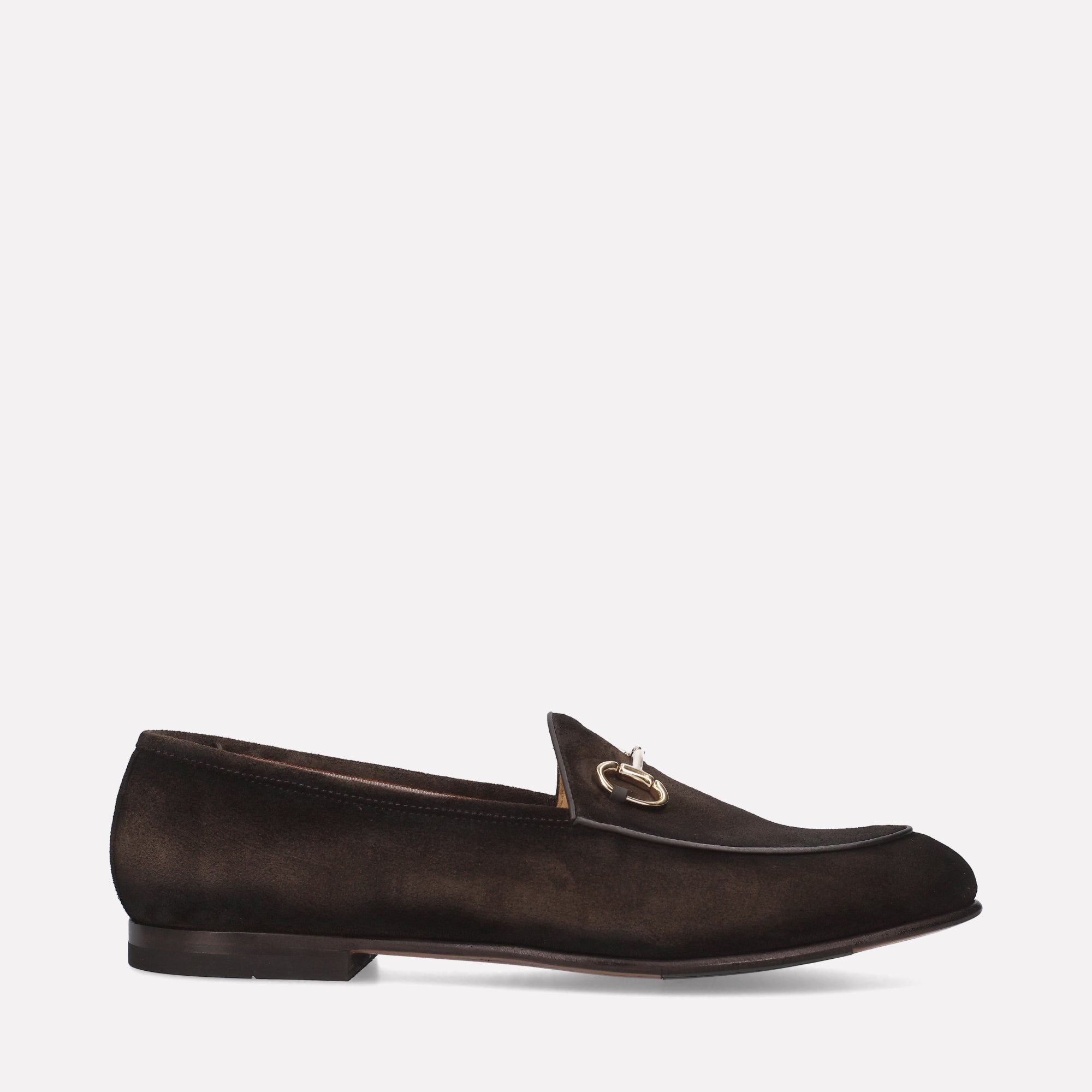
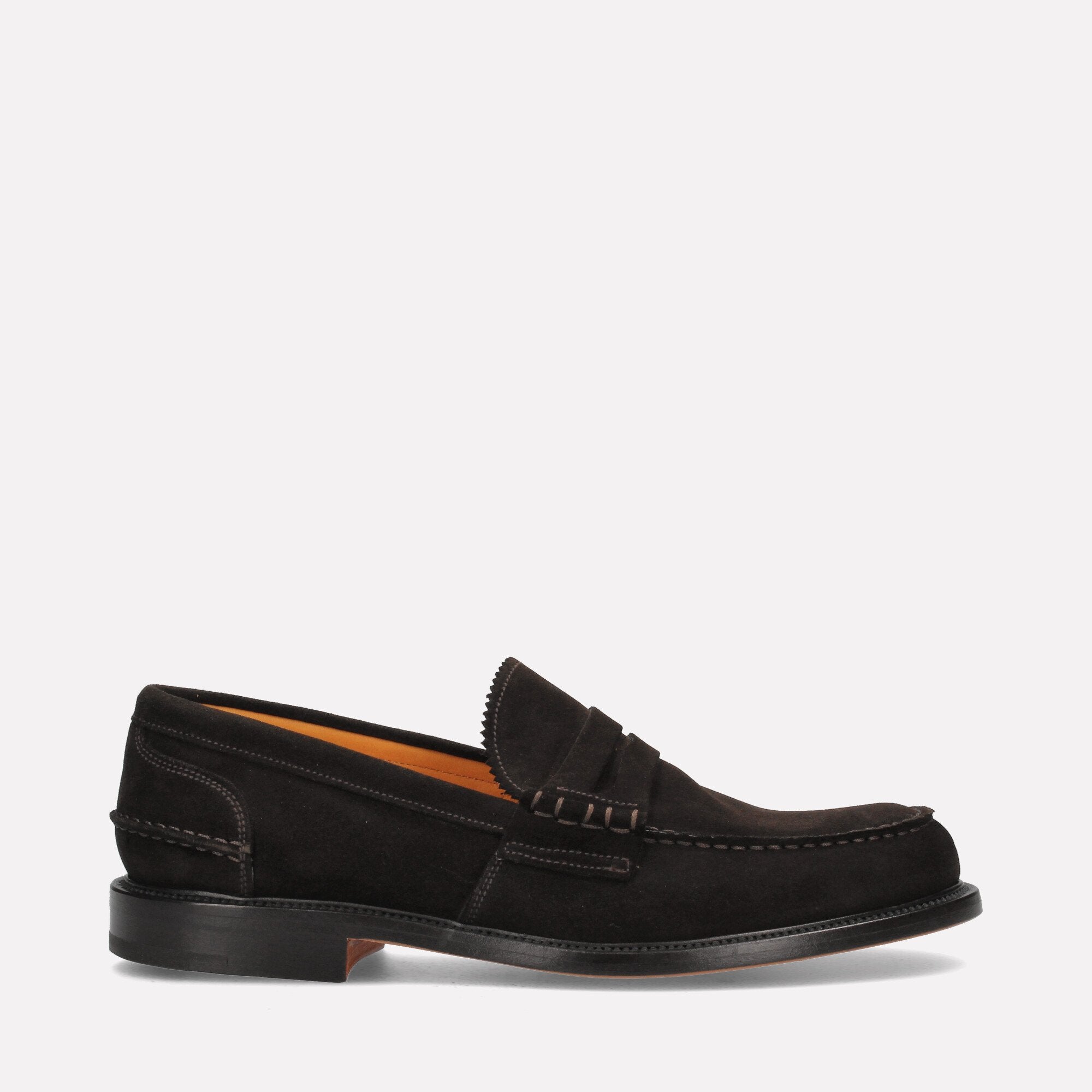
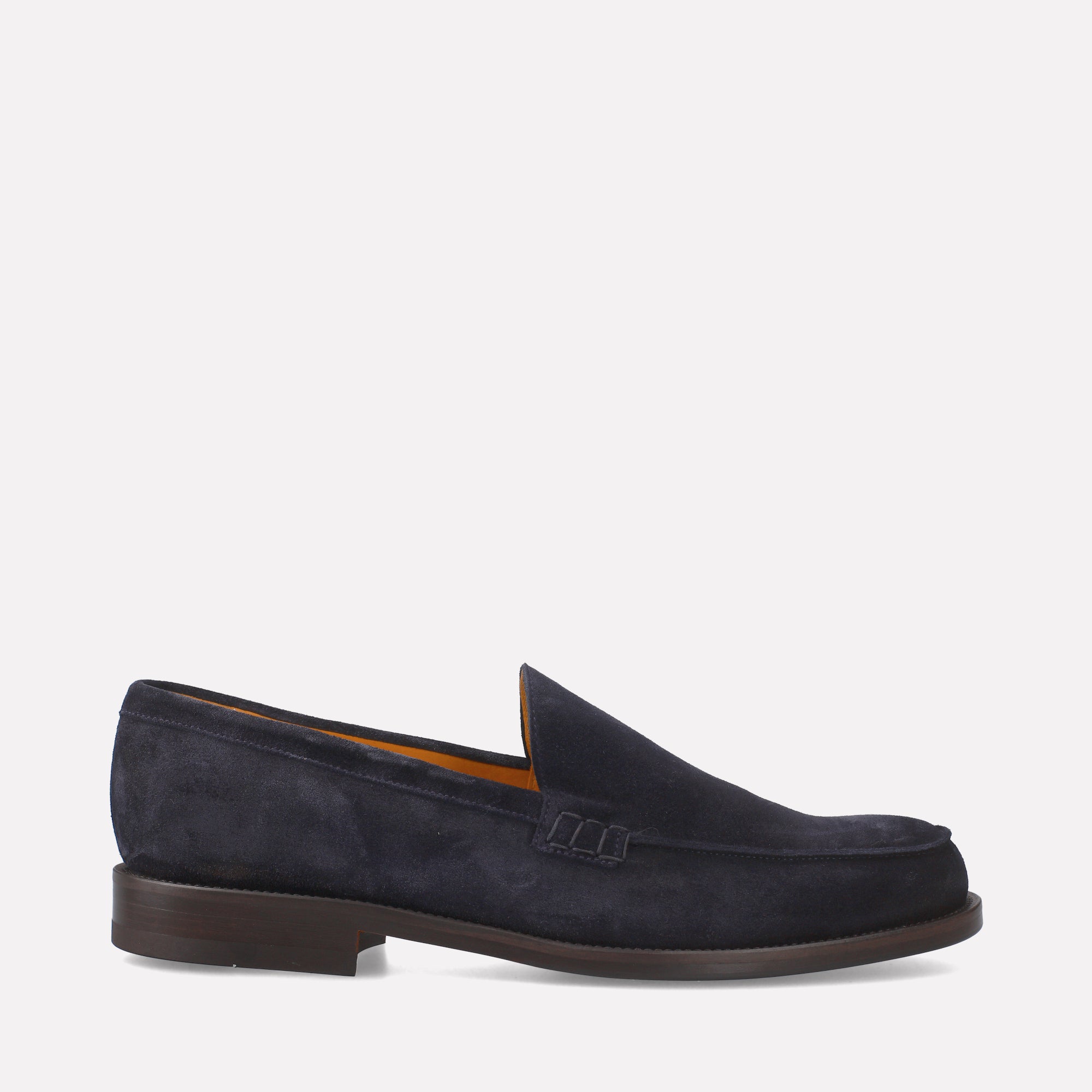
In the context of Mille885 shoes, suede (or velour, in its slightly more robust variant) is the material used on most loafers and on several derby models. Tobacco, tan, dark brown, navy blue: these are all colours that, in suede, express something different than in smooth leather — more informal, warmer, more contemporary.
Before wearing them: the initial treatment
Before wearing a pair of suede shoes for the first time, apply a waterproofing spray made for suede. This treatment doesn't change the look of the material — if the product is of good quality — but it creates a protective layer that drastically reduces the penetration of water and stains.
How to apply it:
- Make sure the shoes are clean and dry
- Hold the spray about 20–25 cm from the surface
- Apply in light, even layers, without saturating
- Let it dry completely (at least 30 minutes) before wearing
- Repeat every 4–6 weeks, or after each cleaning
Routine cleaning: the brush is your main tool
For the daily maintenance of suede, the bristle brush (or rubber brush) is your main tool. Use it regularly to:
- Remove surface dust after each wear
- Raise fibres flattened by use
- Even out the colour in high-friction areas (heel, toe)
Always brush in the same direction, following the natural grain of the fibres. Circular or against-the-grain movements risk damaging the surface.
Suede eraser
For dry stains or surface-dirt residue, use a suede eraser — similar to a pencil eraser, but formulated for leather. Rub gently over the dirty area, then brush away the residue. It works well on dried mud, contact marks and light scuffs.
How to treat stains
Water and rain
The main enemy of suede is unmanaged water. If the shoes get wet:
- Don't dry them near direct heat sources (radiator, hairdryer) — they deform the leather and dry out the fibres
- Insert shoe trees to keep the shape
- Let them dry at room temperature, away from direct sunlight
- Once dry, brush to raise the fibres
- Reapply the waterproofing spray
Grease or oil stains
Blot immediately with a dry cloth — don't rub, blot. Then sprinkle with talc or cornstarch, leave it overnight to absorb the grease, and brush it away the next day. If the stain persists, use a specific suede foam cleaner.
Mud stains
Let it dry completely before acting — never clean wet mud, it spreads. Once dry, peel off the larger residue with your fingers and then use the eraser and the brush.
What you must never do with suede
- Don't use shoe polish — it's formulated for smooth leather, clogs the suede fibres and creates permanent stains
- Don't soak it with lots of water to clean it — excess water alters the colour and the fibres
- Don't dry it with direct heat — radiators, tumble dryers and hairdryers deform the upper
- Don't use brushes that are too hard — they damage the velvety surface irreversibly
- Don't skip the shoe trees — without support, the suede upper deforms over time
Maintenance routine: a practical schedule
After each wear: brush briefly to remove dust and raise the fibres. Insert the shoe trees.
Every 4–6 wears: a more thorough cleaning with brush and eraser. Check whether there are stains to treat.
Every 4–6 weeks: reapply the waterproofing spray. Check the state of the sole.
Seasonally: if you store the shoes for several months, clean them thoroughly, treat them with the spray, insert the shoe trees and keep them in a cotton bag — never in plastic, which prevents breathability.
The Mille885 shoe care kit
To simplify the routine, Mille885 has selected a complete care kit that includes everything you need: a bristle brush, a suede eraser, a waterproofing spray and a nourishing cream for smooth leather. A single package to cover all the models in the collection.
Discover the Mille885 care kit →
Frequently asked questions about suede care
How do you clean suede shoes?
With a bristle brush for routine maintenance and a specific eraser for dry stains. For grease stains, talc left to work overnight. For mud stains, wait until they dry completely before acting with eraser and brush.
How do you waterproof suede shoes?
With a waterproofing spray made for suede, applied in light layers from 20–25 cm away. Before the first use and then every 4–6 weeks. The treatment doesn't change the colour if the product is of good quality.
Can suede shoes get wet?
It's better to avoid heavy rain, but they shouldn't be considered fragile. With a good waterproofing treatment they withstand normal rain. If they get wet, dry them at room temperature with the shoe trees inserted — never near heat sources.
How often should you treat suede?
Brushing after each wear, a more thorough cleaning every 4–6 wears, waterproofing spray every 4–6 weeks. A simple routine that makes the difference to longevity.
Does suede improve over time like smooth leather?
Not in the same way. Smooth leather develops a patina and visibly improves with use. Suede keeps its original appearance if cared for correctly, but tends to flatten in friction areas — regular brushing is precisely what counters this effect.