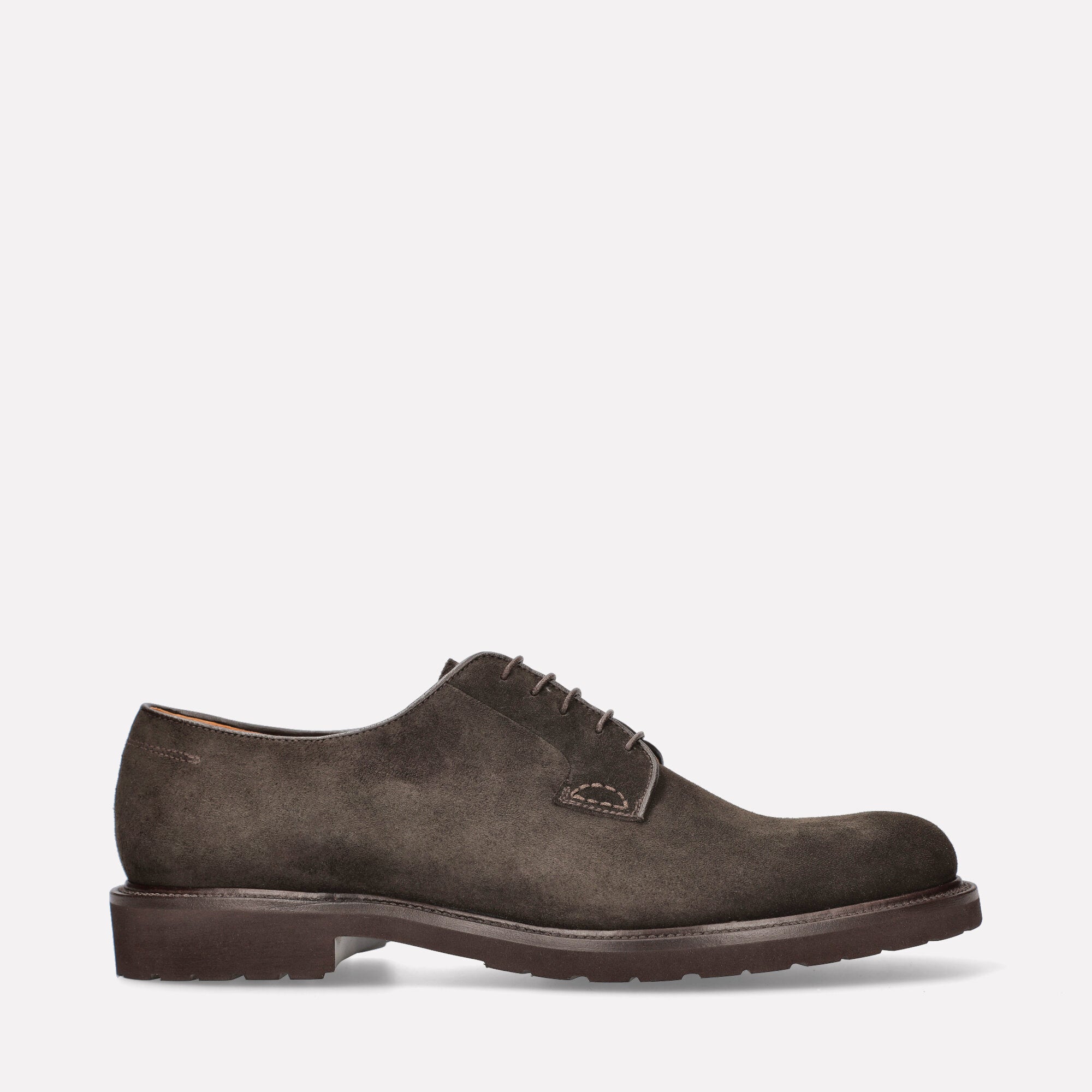

Men's Office Shoes: A Dress-Code Guide for Every Work Context

The office dress code has changed radically over the last ten years. The classic business formal — suit, tie, black lace-up — survives in few sectors. The norm today is business-casual or smart-casual: polished but not rigid. The problem is that "polished but not rigid" is harder to interpret than a fixed rule. In this guide you'll find the right shoes for every type of office, with practical examples for every context.
The three levels of corporate dress code
Before choosing the shoe, identify the level of formality of your work context:
Level 1 — Business Formal
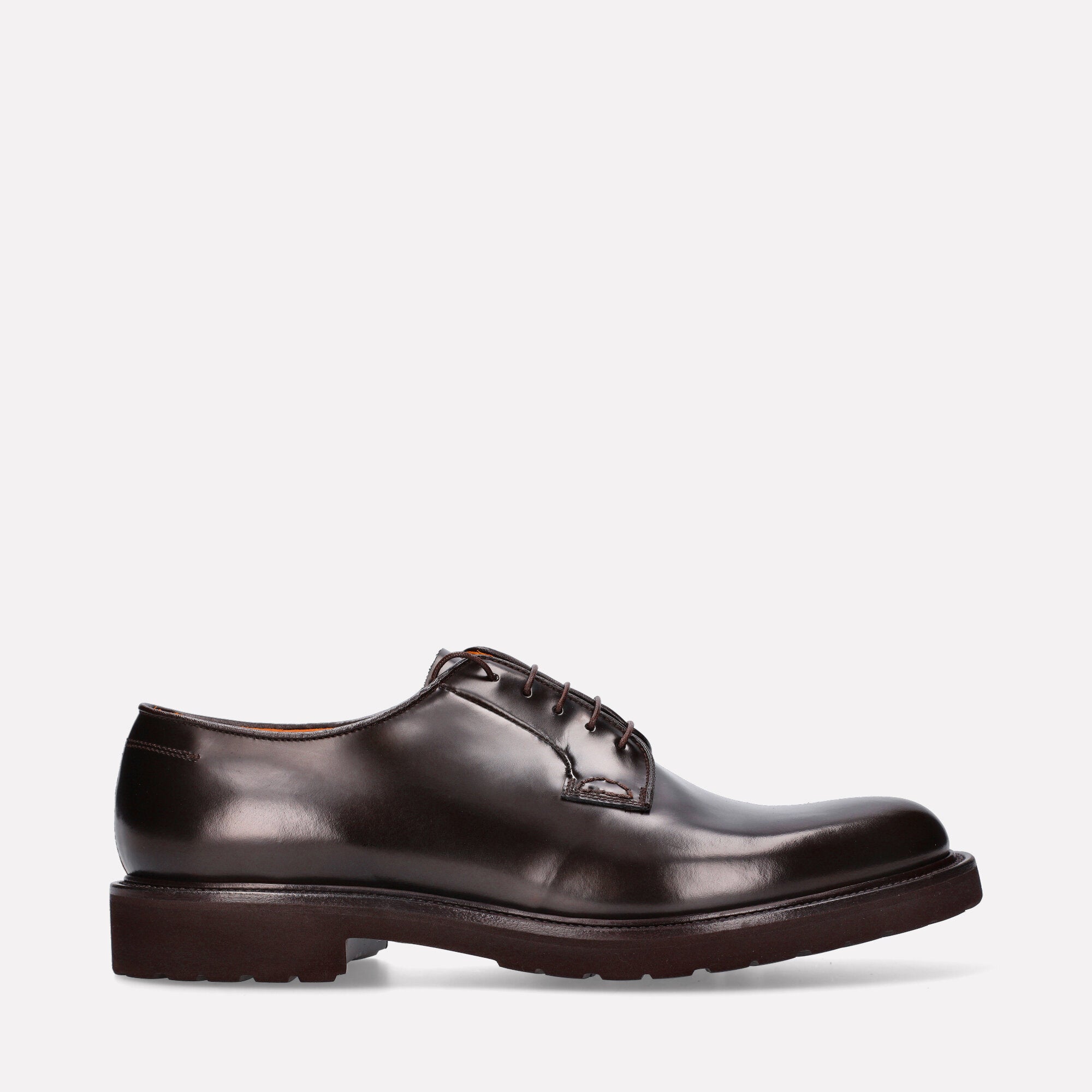
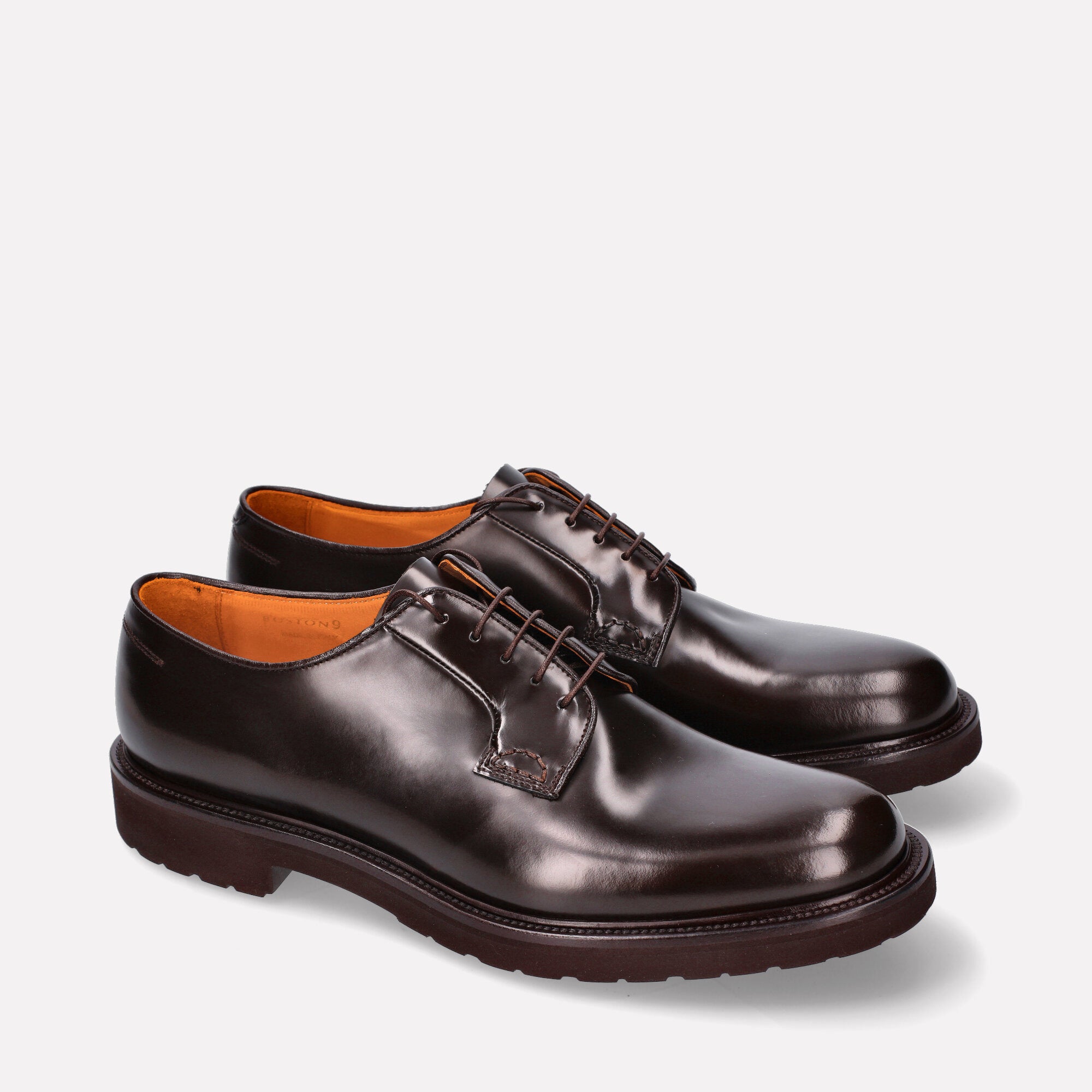
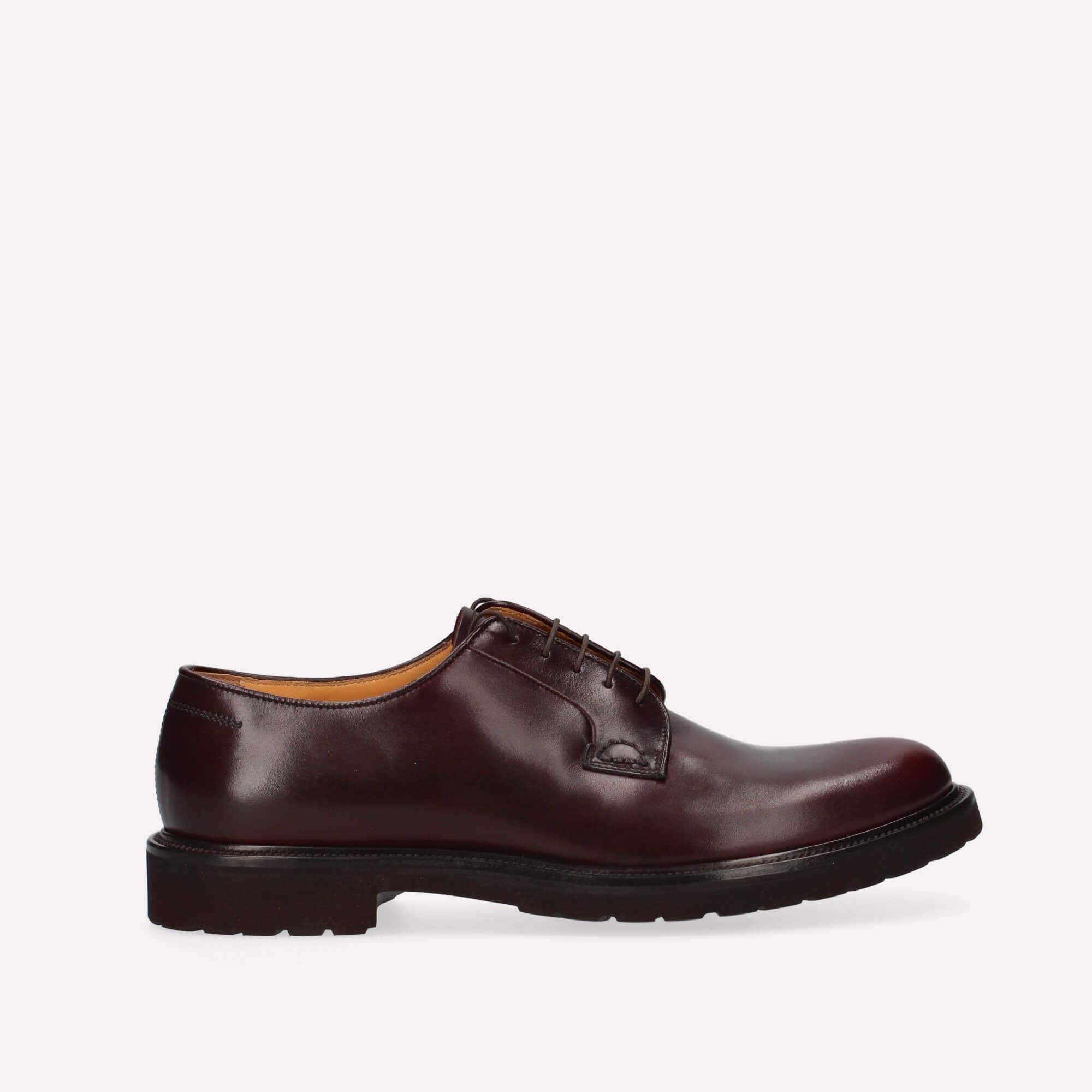
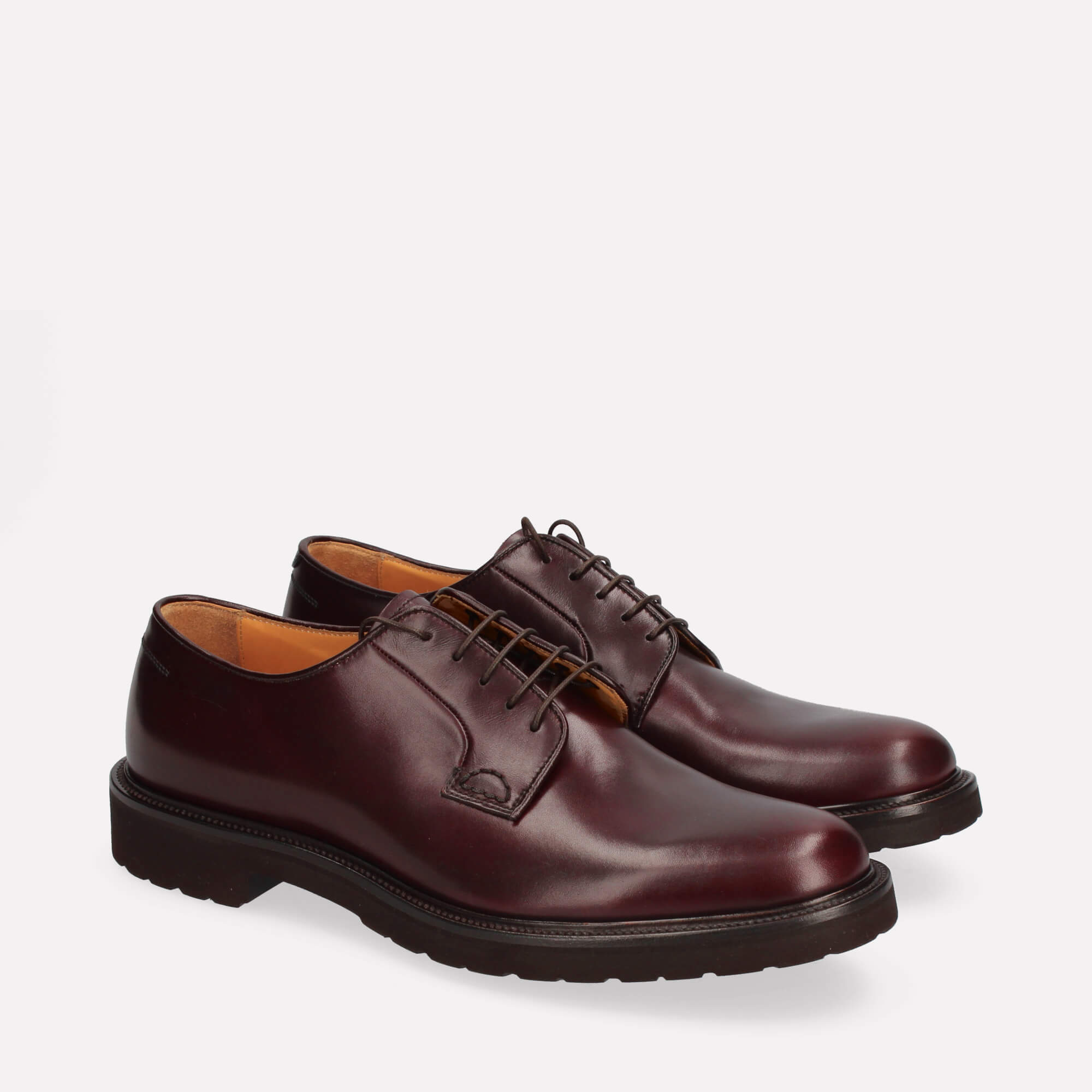
A suit is always required. Sectors: finance, legal, institutional, high-level consulting. The correct shoe is a smooth-leather derby or oxford — black for the most formal settings, dark brown for a touch of modernity. No loafers, no suede, no sneakers.
Level 2 — Business Casual
A jacket is recommended but not always required, no tie, trousers not necessarily part of a suit. Sectors: banks, insurance, professional firms with a modern dress code, large traditional companies. The correct shoe: a smooth-leather derby or loafer — neutral colours. Suede is acceptable in this context in dark colours.
Level 3 — Smart Casual
A jacket is optional, jeans accepted if polished, no fixed constraints. Sectors: tech, startups, agencies, creative industries, companies with an informal culture. The correct shoe: a suede or smooth-leather loafer, suede derby, quality leather sneaker. Wide colour freedom.
The right shoes for each level
Business Formal: oxford and derby in smooth leather
In a business formal context, the shoe must be invisible in the best sense: polished, coherent, not flashy. The rules are few but strict:
- Black or dark-brown smooth leather — no suede, no light colours
- Oxford or derby with or without a cap toe — no elaborate brogues or decoration
- Regular polishing — a dull or neglected shoe in a formal setting is a visible mistake
- A belt in the same colour — always
The difference between derby and oxford: which to choose →
Business Casual: versatile loafers and derbies
In business casual you have more freedom — and here the loafer becomes a smart choice. The college loafer in smooth black or dark-brown leather is formal enough for an important meeting and comfortable enough for a full day. A cognac or tan suede derby works with wool trousers or chinos.
Acceptable colours in business casual: black, dark brown, dark brown, cognac. To avoid: bright colours, light suede, sneakers (even quality ones).
Smart Casual: freedom with a minimum of structure
In a smart-casual office the shoe can be the point of character in the outfit. A tan suede loafer with slim jeans and a shirt, a white leather sneaker with grey chinos, a cognac brogue derby with cotton trousers — everything works as long as the shoe is clean and quality.
The only rule that remains: no real sports shoes (running, training), no open sandals, no flip-flops. Even the most casual context has a minimum threshold.
Complete office outfits: practical examples
Business formal — important meeting
Charcoal-grey suit + white shirt + smooth black leather derby. Black belt. Thin dark-grey wool socks. The shoe should be polished the day before.
Business casual — standard day
Grey flannel trousers + navy crew-neck jumper + dark-brown leather college loafer. Dark-brown belt. Thin cotton socks. Jacket optional for meetings.
Smart casual — tech office / agency
Slim indigo jeans + light-blue oxford shirt + tan suede loafer. No belt (jeans without loops) or a cognac suede belt. In summer: no socks.
Summer transition — air-conditioned office
Light-grey linen trousers + white polo + tan leather loafer. Light and polished — suitable even for summer meetings. Linen isn't just for the weekend: in neutral colours it works in many business-casual offices.
Shoe rotation: why it matters
Those who wear the same shoes every day wear them out three times faster than those who rotate. Leather needs 24-48 hours to dry completely from foot moisture. With a rotation of at least 2-3 pairs, each shoe recovers shape and freshness between uses.
For a functional office wardrobe, three well-chosen pairs are enough:
- Black leather derby or oxford → for the most formal settings
- College loafer in dark-brown leather or suede → for everyday business casual
- Tan suede loafer or leather sneaker → for smart-casual settings and Fridays
Maintaining office shoes
Office shoes are worn frequently — and seen up close. Regular maintenance is an integral part of professional style:
- Brushing after each use — removes the dust that dulls the leather
- Nourishing cream every 2-3 weeks — keeps the leather soft and resilient
- Polishing before important meetings or presentations
- Heel redone by the cobbler when it wears down — a shoe with a worn heel is visible and unprofessional
Complete guide to leather shoe care →
Frequently asked questions — men's office shoes
Can you wear sneakers to the office?
In smart-casual and tech contexts, yes — as long as they're quality leather sneakers, clean and in good condition. In business casual and formal, no. A running or training sneaker is never appropriate in a professional context.
Is the loafer suitable for the office?
In business casual and smart-casual, yes, and it's often the smartest choice — comfortable for long days, versatile in pairings. In business formal, better a smooth-leather derby or oxford.
Which shoe colour is most versatile for the office?
Dark brown. It works with grey, navy, camel and even with black (a soft contrast). It's more versatile than pure black and more formal than cognac or tan.
How many shoes do you need for an office wardrobe?
Three pairs are enough to cover every context: a formal derby/oxford, a business-casual loafer, a third smart-casual pair. Better three quality pairs than five cheap ones — quality shows and durability is far superior.
Read more
- Smart-casual shoes for men — how to build a complete smart-casual office outfit.
- Men's Derby and Oxford Shoes — the formal shoe par excellence, explained in detail.
- Men's College Loafer: complete guide — the most versatile office model.