
Preppy Style for Men: Origins, Key Pieces and How to Wear It Today

Preppy style was born on the campuses of America's elite universities in the 1950s — Harvard, Yale, Princeton, the so-called Ivy League. It wasn't a designed trend: it was the practical clothing of those who attended those campuses, layered over time until it became an aesthetic recognisable all over the world. Today it's one of the most influential men's styles, reinterpreted every season while remaining recognisable in substance.
The origins: what Ivy League style is
Ivy League style emerged in the 1940s and 1950s at the universities of the American Northeast. Its traits are practical before they are aesthetic: tweed and madras blazers, khaki cotton chinos, oxford button-down shirts, shetland jumpers, loafers — the penny loafer above all.
The underlying philosophy is one of understated elegance: quality clothes, never flaunted, worn as if effortlessly. The opposite of peacocking. The opposite of a visible logo. Elegance as a default condition, not as a performance.
In Italy this aesthetic was absorbed and reworked in the Sixties and Seventies — "Italian preppy" added Italian manufacturing quality to the American canons: leather from the Fermano district, fabric from Biella, Neapolitan tailoring.
The fundamental elements of men's preppy style
The oxford button-down shirt
The button-down shirt — with collars fastened by small buttons — is the pillar of the Ivy League look. In light blue, white, fine stripes or gingham checks. Worn with or without a tie, open or buttoned, tucked in or out depending on the context.
The cotton chino
The campus trouser par excellence. Khaki (the original colour), navy, forest green, burgundy. A straight or slightly tapered cut — never baggy. With or without a cuff.
The shetland or lambswool jumper
Crew-neck or V-neck, worn over the shirt. In solid colours or with classic patterns (regimental stripes, argyle). The V-neck jumper that reveals the shirt collar and possibly the tie is one of the most iconic Ivy looks.
The tweed or madras blazer
The blazer — not the jacket of a matching suit — is the element that lifts the register of a preppy look. In tweed for autumn-winter, in madras (colourful checked cotton) for spring-summer. With gold buttons, the navy blazer becomes "the navy blazer" — perhaps the most versatile piece in preppy style.
The loafer: the campus shoe
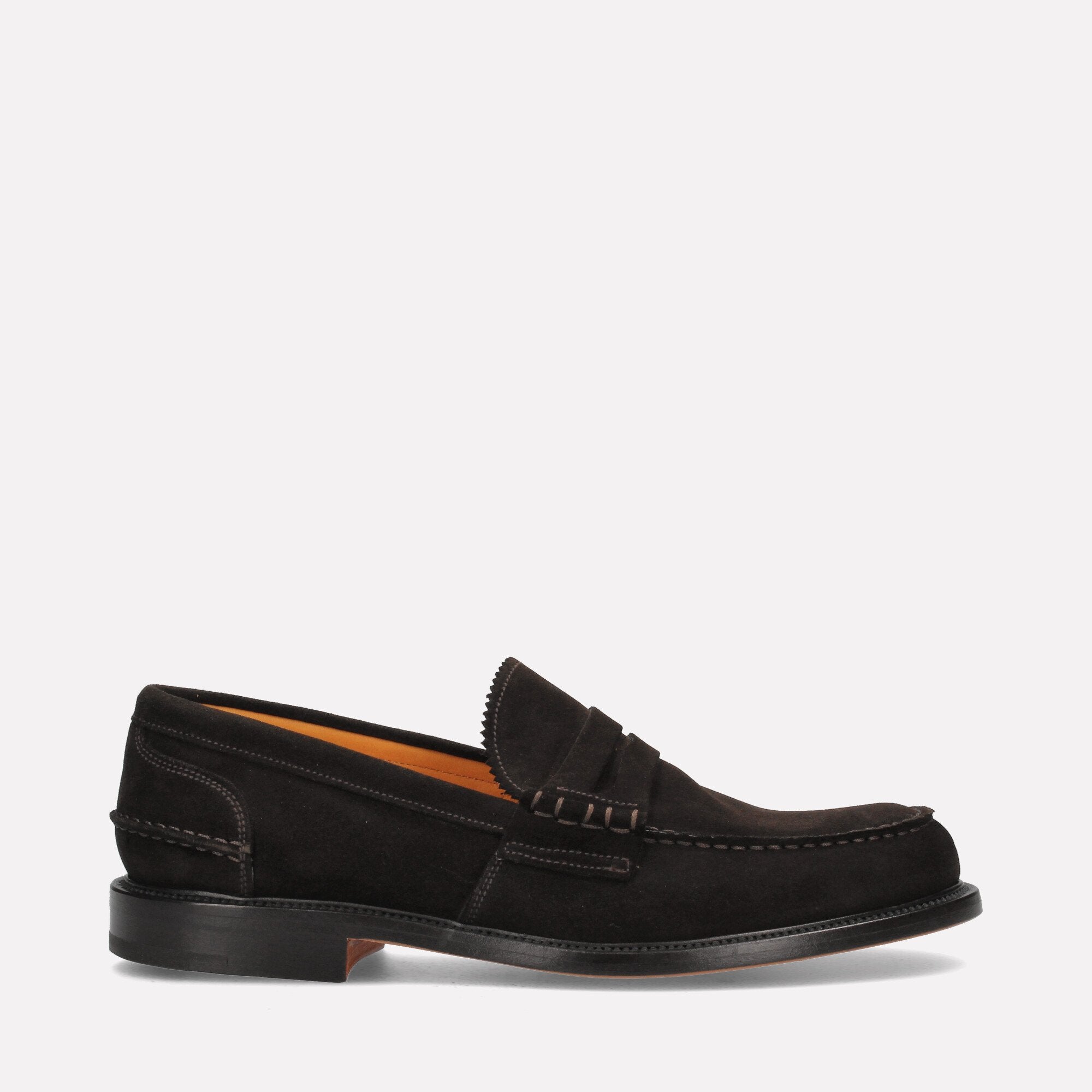
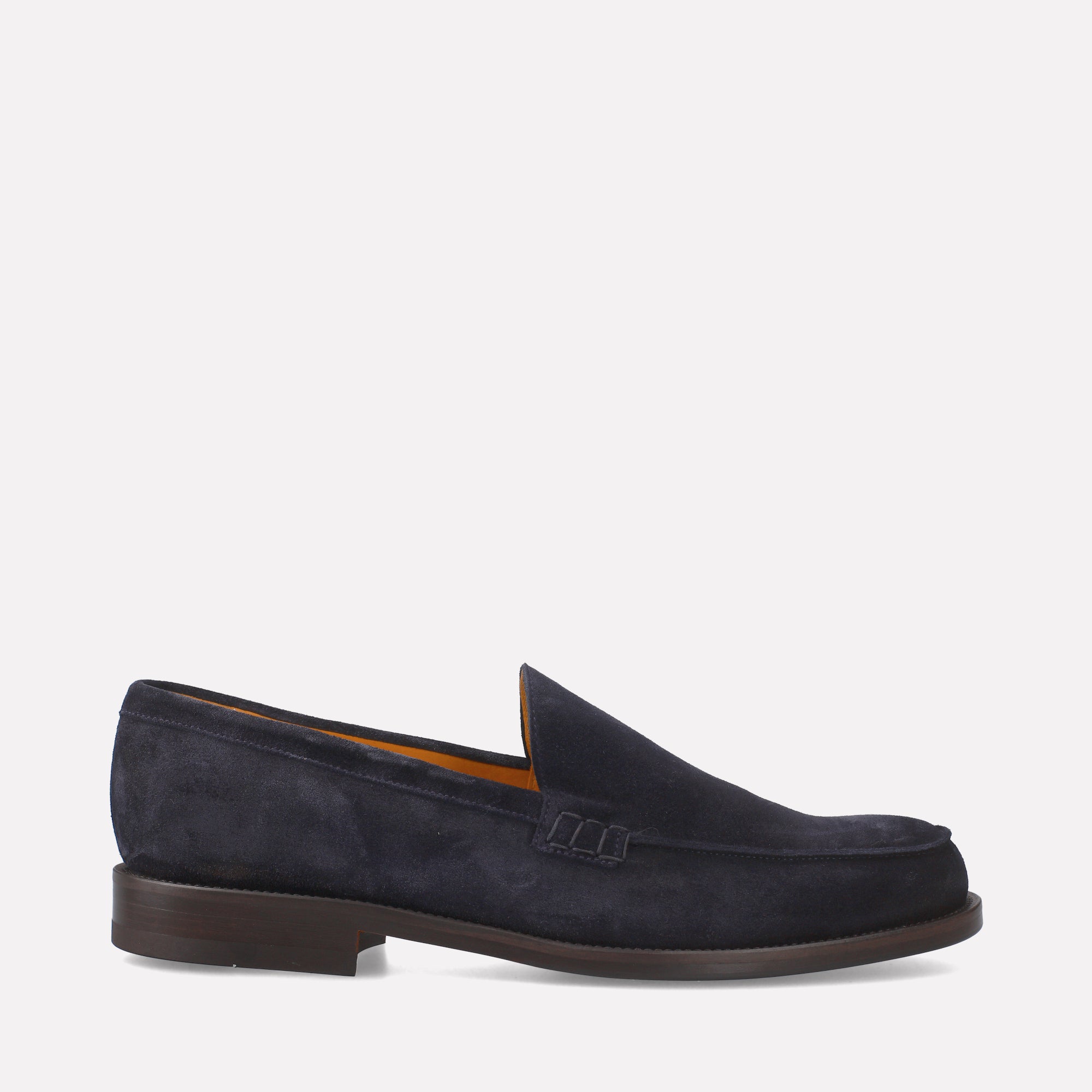
The penny loafer is the Ivy League shoe by definition. Comfortable, just elegant enough, slip-on. In smooth leather for dressier settings, in suede for a more casual register. With or without socks — the "no socks" choice with loafers was born precisely in the Ivy League. Complete guide to the college loafer →
The preppy colour palette
Preppy style has a very recognisable palette:
- Navy: the base colour par excellence — blazers, chinos, jumpers
- Khaki / camel: the second structural colour — chinos, coats, shoes
- White and light blue: for shirts and polos
- Forest green and burgundy: classic campus accent colours
- Red and yellow: in patterns (regimental tie, madras) — used sparingly
- Cognac and tan brown: for shoes and belts
Strong colours are used in details and accessories — never in the structural part of the outfit.
How to build a modern preppy look
Contemporary preppy isn't a faithful reproduction of the Fifties — it's a reinterpretation that keeps the stylistic codes while updating them to current taste.
Look 1 — Classic campus
Khaki chinos + light-blue oxford button-down + cognac leather college loafer. No tie, collar open. The original Ivy League look, unchanged.
Look 2 — Modern preppy
Navy chinos + forest-green shetland crew-neck + white shirt underneath + tan suede loafer. With a cuff that reveals the ankle. A polished look without being formal.
Look 3 — Preppy with a blazer
Grey flannel trousers + navy blazer with gold buttons + fine-stripe shirt + dark-brown leather loafer. Optional regimental tie to lift the register. The semi-formal event look with Ivy character.
Look 4 — Summer preppy
White or cream chinos + navy piqué polo + rope-sole loafer in tan. No socks. The polished-holiday, yacht-club, summer-aperitivo look.
Preppy style and Italian manufacturing quality
Original American preppy valued discreet quality — clothes that lasted, shoes that improved with use. This philosophy naturally marries Italian artisan production: the college loafer built in the Fermano district with Blake construction, the oxford shirt in quality fabric, the jumper in real shetland wool.
The difference between a successful preppy look and one that looks like a costume lies exactly here: the quality of the materials. A synthetic poly-cotton shirt with a mediocre blazer gives the impression of a disguise. The same garments in natural materials and durable constructions give the impression of someone who has always dressed this way.
Frequently asked questions about men's preppy style
Is preppy style suitable for the office?
In business-casual and smart-casual settings, yes — especially in the more understated versions (chinos, button-down shirt, loafer). The navy blazer with chinos and a loafer is one of the most appreciated office outfits in contemporary menswear.
Preppy and Italian style: how do they combine?
Italian preppy keeps the American codes (penny loafer, chinos, button-down) but enriches them with Italian manufacturing quality — Fermano leathers, Biella fabrics, tailored constructions. The result is more refined in execution while keeping the same philosophy of understated elegance.
What's the difference between preppy and smart casual?
Smart casual is a generic dress code. Preppy is an aesthetic with a specific history and palette — it uses the same garments as smart casual but with a more marked stylistic coherence and recognisable visual codes (navy, khaki, tweed, loafer, button-down).
Read more
- Men's College Loafer: the Ivy League campus shoe — history and complete guide to the penny loafer.
- Smart-casual shoes for men — the dress code closest to modern preppy.
- How to match men's shoes: colours and rules — the preppy palette applied to pairings.